
Radon Test Before Finishing a Basement in Illinois
Updated
Short answer
Part of Walls and Moisture.
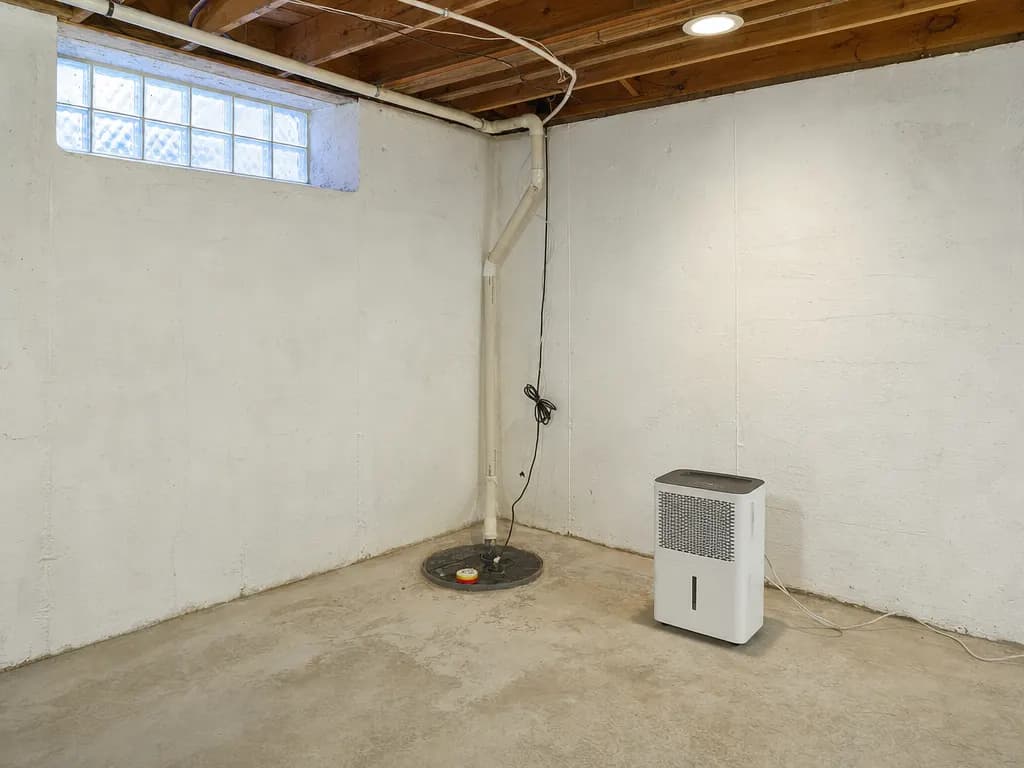
Why before the walls go up
Radon comes from rock and soil and collects in rooms in contact with the ground, such as basements. A finished basement moves people into the room with the highest likely reading. The CDC says to test “before making any lifestyle changes in the home that would cause someone to spend more time in the basement or lower level (like converting a basement to a bedroom or home office),” and before and after any renovations (CDC, Testing Your Home for Radon (Aug. 26, 2026)). EPA's buyer and seller guide gives the cost reason: test before the project, and generally it is less expensive to install a radon reduction system before, or during, renovations than afterwards (EPA, Home Buyer's and Seller's Guide to Radon (Mar. 2018)).
The Illinois number
“Fix the home if the average of the two tests is 4 picoCuries per liter (pCi/L) or more.”
IEMA licenses radon mitigators and measurement professionals. EPA uses the same 4 pCi/L action level and also says to consider action between 2 and 4 pCi/L (IEMA, radon test guideline for real estate, CDC, Radon: reducing your exposure (June 18, 2026)). IEMA also says homes with elevated radon have been found throughout Illinois, whatever the county (IEMA, radon in Illinois):
“Homes with elevated levels of radon have been found throughout the state of Illinois. ALL Homes Should Be Tested regardless of geographic location.”
What about the Rockford zone
Secondary sources list Winnebago County in EPA Zone 1, which means a predicted average indoor screening level above 4 pCi/L. The EPA Illinois map PDF we retrieved did not render the county color, so check the EPA map before relying on the zone (EPA, Illinois radon zone map). A zone is a county prediction. Your basement is the only thing that tells you your level.
Where to buy a test in Winnebago County
The Winnebago County Health Department sells radon test kits (call 815-720-4100; the price includes return postage and certified lab analysis), and kits are also sold at many local hardware and building stores (Winnebago County Health Department, radon). EPA says to place the kit in the lowest lived-in level of the home (its example is the basement if it is frequently used, otherwise the first floor). If you plan to live in the basement, test there. IEMA's guidance says to re-test in two years or if any renovations or additions are made:
“You may re-test in two years or if any renovations or additions are made to the building.”
A testing plan for a finish
- Test the unfinished basement before you sign a contract, using the lab-analysed kit or a licensed measurement professional.
- If the average is 4 pCi/L or more, price a licensed mitigator before framing. See the mitigation guide.
- Finish the basement. Ask the framer to leave room for any pipe the mitigator needs.
- Re-test in the finished space once the walls, flooring and HVAC changes are done.
The legal side, who must disclose radon when a house sells, is in the Radon Awareness Act guide.
Two tests, then a decision
IEMA's rule is built on the average of two tests, not one reading. A single high result is a reason to test again, and a single low result is not a clearance. For a remodel that matters for timing: schedule the first test early enough that a second test can finish before the framer arrives. If you use the county's lab-analysed kit, the kit includes return postage and analysis, and the instructions that come with it, or those of a licensed measurement professional, set the conditions for the test. Follow them exactly, since a test that breaks the instructions can give a false sense of safety.
What to write down
- The room and the spot where each kit sat, and the dates it started and stopped.
- The lab report for each test, kept with the permit file.
- The date and result of the post-remodel test, so a buyer can see both.
If the average is 4 pCi/L or more, the next step is a licensed mitigator, covered in the mitigation guide.
Where to go next
This guide sits under Basement walls and moisture. Every price on this site, with its source and date, is on the basement finishing cost page. If this topic is on your list, these guides cover the neighbouring questions: Radon Mitigation and Basement Finishing: Which First?, Illinois Radon Awareness Act and Your Basement, and Waterproofing a Rockford Basement Before Finishing.
Sources: IEMA, radon test guideline for real estate; IEMA, guidelines for home radon measurement; IEMA, radon in Illinois; EPA, Illinois radon zone map; Winnebago County Health Department, radon; CDC, Testing Your Home for Radon (Aug. 26, 2026); CDC, Radon: reducing your exposure (June 18, 2026); EPA, Home Buyer's and Seller's Guide to Radon (Mar. 2018)
Quick answers
Should I test for radon before finishing a basement?
The CDC and EPA both say to test before converting a basement to living space and again afterwards. IEMA says to re-test if any renovations or additions are made.
What radon level needs action in Illinois?
IEMA recommends fixing a home when the average of two tests is 4 picoCuries per liter or more. EPA also suggests considering action from 2 to 4 pCi/L.
Where can I buy a radon test in Winnebago County?
The Winnebago County Health Department sells test kits at 815-720-4100, with return postage and lab analysis included. Many local hardware and building stores sell kits too.
Does Illinois require radon testing before a remodel?
The Radon Awareness Act is a disclosure law and does not require testing or mitigation during a remodel. Testing is a recommendation from IEMA, EPA and the CDC.
Planning a basement finish?
Tell us the size of the basement and what you want down there. We reply with a price range first.